
Crime buffs with a good knowledge of English criminal history will not have missed resonances between the Tennessee death penalty case of Christa Pike and an old English case of a botched execution. Pike survived two attempts at lethal injection and is at the time of writing still recovering (if she ever does fully or partially).
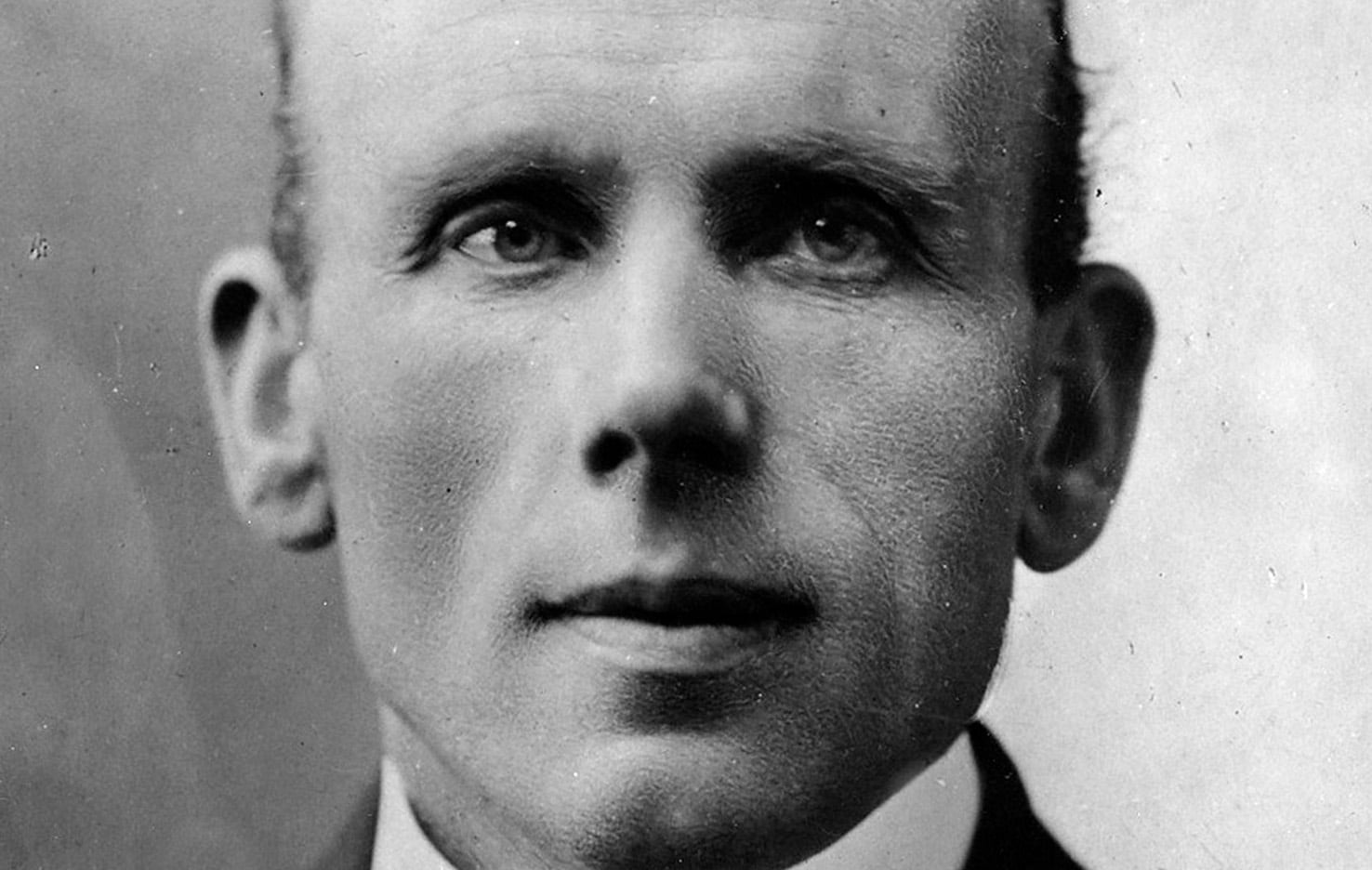
The 1895 case of John ‘Babbacombe’ Lee’s experience has its parallels, albeit that Lee survived three, not just two attempts to hang him. He was the reprieved on the basis, so it seems, that the failure of the hangman’s trap to open was ‘an act of God’. It was always contentious whether Lee was the culprit. The question remains whether Pike’s life should now be spared on a similar basis, not to mention residual questions of torture and inhumanity.
Botched executions are by no means a rarity. However, in most cases the unfortunate prisoner has been ‘finished off’ by some additional means. This possibility was ruled out by those in Tennessee as being beyond strict execution procedures. Or those involved may ironically have been charged with murder. This too must have been in James Berry’s mind when he determined with prison authorities not to attempt a fourth hanging.
The bizarre and puzzling case of John Lee at Exeter Prison is reprised in Michael Crowley’s The Man They Couldn’t Hang, in the form of a play for those interested in the dramatic possibilities of such events. It pitches together Lee and Berry, reunited for a last gasp performance designed to rescue a rundown venue. The book also has a well-informed Introduction about Lee’s traumatic time on the scaffold, as well as details of his reformed later life as a successful farmer in the colonies.
Find out more: The Man They Couldn’t Hang